

Emilie Diouf of Brandeis English, whose monograph on genocide and trauma is forthcoming, joins John to speak with the celebrated French journalist and activist Rokhaya Diallo. Diouf places Diallo within a transnational black intellectual tradition, founded in the interwar period in the Negritude movement; it was then that Paulette, Jeanne, and Anne Nardal’s literary salon became a meeting ground for African, Antillean, and African-American intellectuals, in the Parisian suburb of Clamart.

The three discuss the slowly changing racial climate in France and globally; how to counter ethnonationalism; as well as the currents of dissent or disdain that threaten to disrupt even leftwing political solidarity.
Mentioned in the Episode
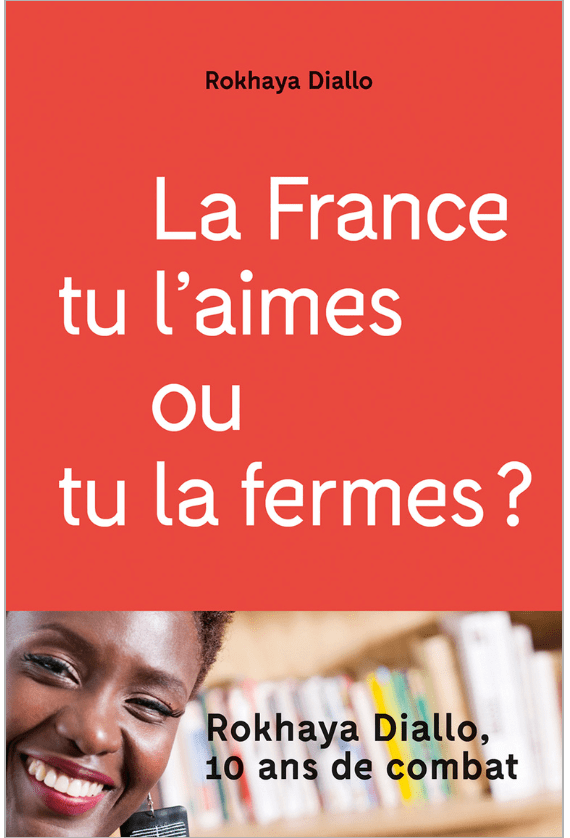
Diallo has directed 8 documentaries among which her 2013 award winning film, Les Marches de la Liberté (Steps to Freedom) . She is also the author of many books, including most recently, La France tu l’aimes ou tu la fermes or France, Love it or Shut it, a collection of her major articles on the “struggle against oppression in France and globally.”
Ne reste pas à ta place, or Don’t try to fit in, (2016)
and forthcoming book Le dictionnaire amoureux du féminisme or A Feminist Lover’s Dictionary (Editions Plon, March 2025)
Les Indivisibles: humor watchdog organization. Parody ceremony Y’a Bon Awards given to the “most racist sentences” every year.
Awa Thiam, La Parole aux Négresses
2005 Clichy-sous-bois, a Paris banlieue, was the site of major unrest. Zyed Benna, 17, of Tunisian descent, and Bouna Traoré, 15, of Mauritanian descent, died tragically in a substation while trying to avoid detention.
The leading French TV station, TF1, made waves (and history) by hiring Harry Roselmack in 2016
Diallo’s own strong X/Twitter presence allows her to talk about being harassed—on Twitter/X itself!
and she has a podcast with Grace Ly, Kiffe Ta Race
Diallo’s film Les Marches de la Liberté 2013
From Paris to Ferguson ( De Paris à Ferguson : coupables d’être noirs) 2016
African Americans in Paris: James Baldwin and Josephine Baker in the 1930s, but also Angela Davis in the 1960s being perceived as an Algerian
Faiza Guene Just Like Tomorrow (Kif kif demain)
Read and Listen to the episode here.

 Recall This Book