One Battle After Another, the spirited and controversial Oscar contender from Paul Thomas Anderson, premiered in September. That opening weekend featured a “Behind the Screen” premiere at the storied West Newton cinema.


Free-ranging discussion of books from the past that cast a sideways light on today's world.

One Battle After Another, the spirited and controversial Oscar contender from Paul Thomas Anderson, premiered in September. That opening weekend featured a “Behind the Screen” premiere at the storied West Newton cinema.
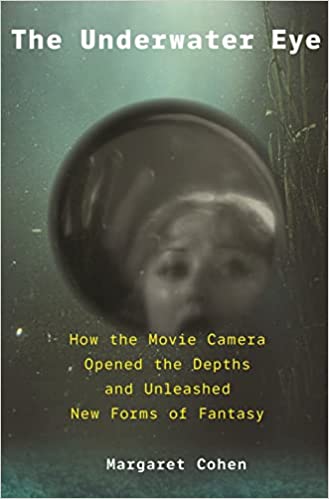
Margaret Cohen joins John to discuss The Underwater Eye, which explores “How the Movie Camera Opened the Depths and Unleashed New Realms of Fantasy.” Margaret’s earlier prizewinning books include The Novel and the Sea and The Sentimental Education of the Novel, but this project brings her places even her frequent surfing forays hadn’t yet reached. She charts the rise of “wet for wet” filming both in the ocean itself and in various surrogates, exploring the implications of entering a domain that humans can explore and come to know, but never master.
In nearly 50 years of filmmaking, British director Mike Leigh has ranged from comic portrayals of ordinary life amid the social breakdowns of Thatcher’s Britain (Life is Sweet, High Hopes) to gritty renditions of working-class constraint and bourgeois hypocrisy (Meantime, Abigail’s Party, Hard Labour) to period films that reveal the “profoundly trivial” elements of artistic life even two centuries in the past (Topsy-Turvy, Mr. Turner). (if you want to skip all intro, here is the audio.)
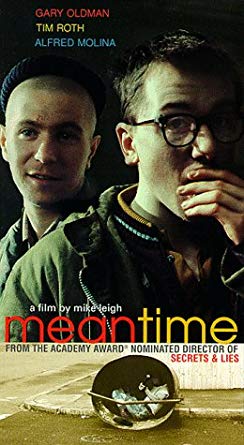
Leigh contains multitudes. What Roland Barthes says about the novels of Marcel Proust is true of Mike Leigh films as well: you notice different things every time you return to them.
Continue reading “*87 In Focus: Mike Leigh (JP)”Dana Stevens joins Elizabeth and John to discuss Camera Man: Buster Keaton, the Dawn of Cinema and the Invention of the Twentieth Century. Her fantastic new book serves as occasion to revel in the work and working world of Buster Keaton, that “solemn, beautiful, perpetually airborne man.” Although packed with fascinating tidbits from Keaton’s life, Camera Man is much more than just a biography. It performs its own airborne magic, lightly traversing topics like the crackdown on the use of children in vaudeville, the fluidity of roles before and behind the camera in early Hollywood and the doors that were briefly (ever so briefly) opened for female directors.
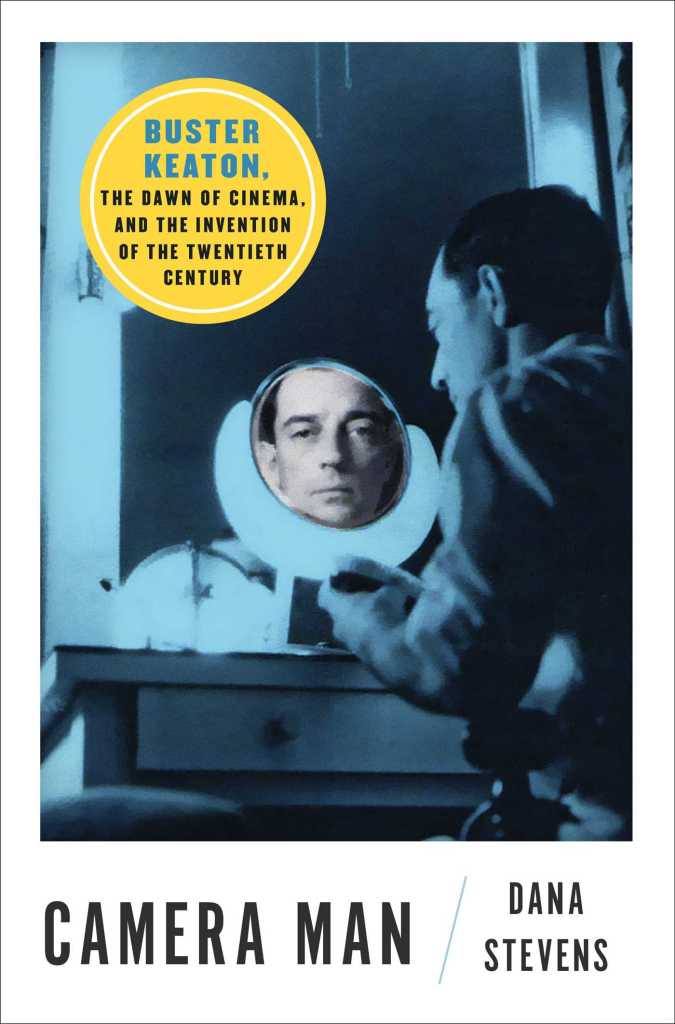
Among other treats, Dana unpacks one of Keaton’s early great “two-reelers” One Week ( a spoof of brisk upbeat industrial films) and his parodic “burlesques” e.g. of Lillian Gish.
Continue reading “86 Dana Stevens Keaton (JP EF)”Octopus month has morphed seamlessly into Multispecies month here at RtB, bringing with it not only last week’s piece on chimpanzees, but also this sparkling conversation about all sorts of multi-species communities. Recorded live in front of an audience of writing students and introduced by Brandeis physicist Matthew Headrick, it features Patricia Alvarez Astacio, an anthropologist and filmmaker. She has made a film about her work in the Peruvian highlands, where people live with, respect, shear and sometimes eat alpacas. Gina Turrigiano, RtB guest-host of long standing, wears her biological hat in this conversation, bringing to bear insights about avian intelligence and the other sorts of animal community that silently surround our species (think microbiome…). John tries to steer the conversation towards SF as usual.
Continue reading “66 On Multi-Species Community: A Critical Conversation with Patricia Alvarez Astacio (Gina T, John P)”The British filmmaker Mike Leigh puts the move into movies: he never stops changing, never stops inventing. In nearly 50 years of filmmaking, he has ranged from comic portrayals of ordinary life amid the social breakdowns of Thatcher’s Britain (Life is Sweet, High Hopes) to gritty renditions of working-class constraint and bourgeois hypocrisy (Meantime, Abigail’s Party, Hard Labour) to period films that reveal the “profoundly trivial” elements of artistic life even two centuries in the past (Topsy-Turvy, Mr. Turner).
Leigh (did you guess he was our Mystery Guest from the grainy photo we posted last week?) contains multitudes. What Roland Barthes says about the novels of Marcel Proust is true of Mike Leigh films as well: you notice different things every time you return to them.
When he sat down with John in Columbus, Ohio (at a Victorianist convention, no less!) they were united by love for a hometown boy made good: James Thurber. The conversation ranged from recording working-class voices in the 19th century to Method acting to the pointlessness of fetishizing closeups to the movies John had never seen and should have–and that’s only the first twenty minutes. It cries out for footnotes, but maybe the best result of all this talk would be simply your decision to go off and see a couple of (or four, or five, or like John seven) Mike Leigh films you’d never seen before. You won’t be sorry.

Discussed in this episode:
Continue reading “17 In Focus: Mike Leigh (JP)”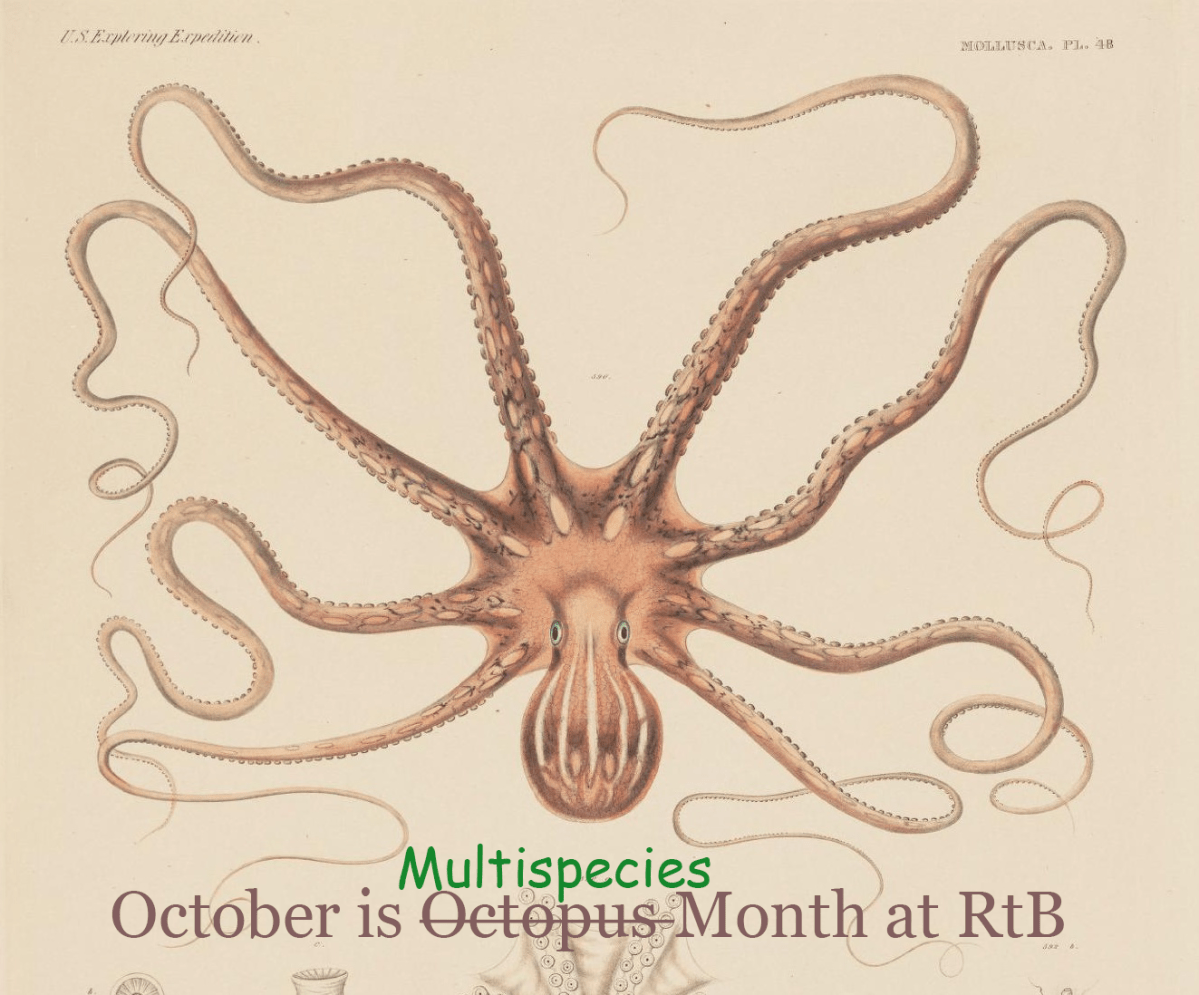
 Recall This Book