177 A Hosts’ Special: Ferry and Plotz Choose Books in Dark Times (EF, JP)

For our pandemic-era Books in Dark Times (our first ever Special Series!) Elizabeth and John discussed books that were keeping us afloat, barely afloat, way back in April 2020. Memory lane, here we come!

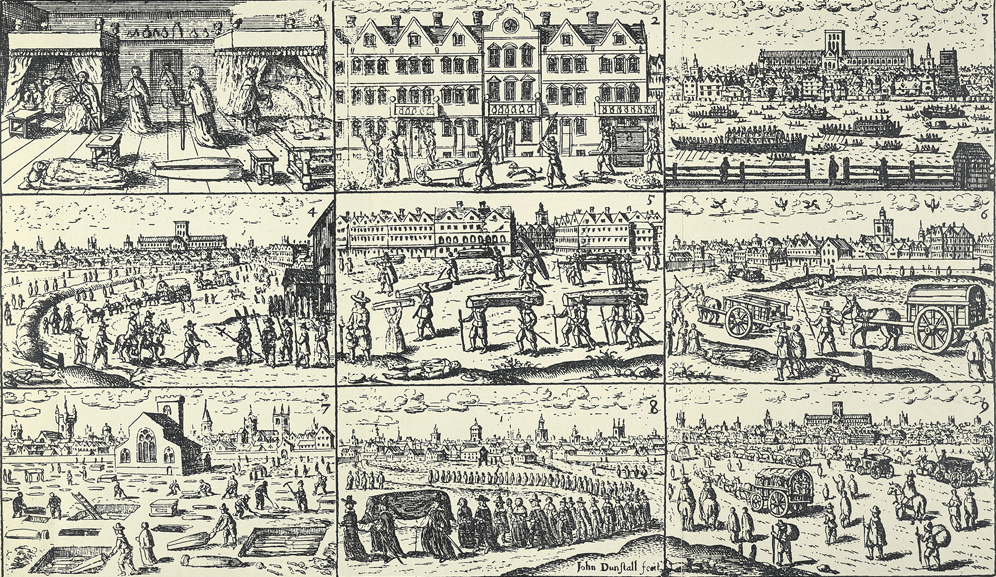
A book you might not think would be so comforting starts it off, Daniel Defoe’s A Journal of the Plague Year (1722) about the plague in London “during the last Great Visitation in 1665.”
https://www.nationalarchives.gov.uk/education/resources/great-plague/#external-links

Probably based on the journals of Defoe’s uncle Henry Foe, the Journal comforts Elizabeth by its similarities to our current situation, providing a sense of continuity to our forebears. Even if that continuity is through our epidemiological vulnerabilities and our incapacity for coordinated action.

Second, because some aspects of what happened in 1665 seem so familiar, from detailed discussions of the “weekly bills” of dead in each parish and how to interpret them, to arguments over social isolation, contact tracing, the ethics of leaving London for second homes in the country, and the devastating secondary effects of lost commercial activity:

Thirdly: at least it’s not the bubonic plague.

Elizabeth’s love for the 47 novels of Anthony Trollope (or 35 of them, anyways) kicks off a final foray into the deeply comforting books of our childhood–and a discussion of how fantasy nestles into the ordinary.

Mentioned in this episode:

Daniel Defoe, The Life and Adventures of Robinson Crusoe (1719)

E. M. Forester, The Machine Stops (1909)

Anthony Trollope, The Warden (1855)

Frank Capra, It Happened One Night (1934)

Richard Llewellyn, How Green Was My Valley (1939)
Louisa May Alcott, Little Women (1868)

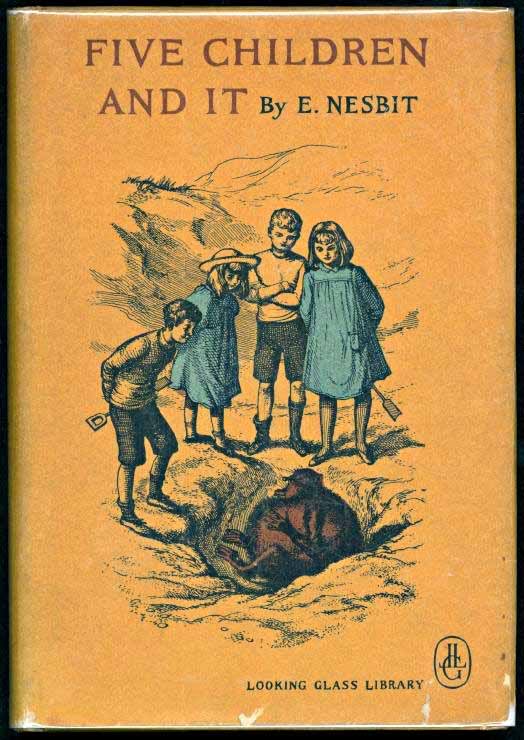
E. Nesbit, Five Children and It (1902), The Railway Children (1905)
Listen to the episode here or read the transcript here; Episode 26 Ferry Plotz
158* Ben Fountain in Dark Times (JP)

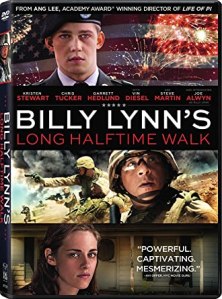
Ben Fountain is far more than just the author of Billy Lynn’s Long Halftime Walk, which won RTB hearts and minds (and the National Book Award) long before it became a weird Ang Lee movie.

Continue reading “158* Ben Fountain in Dark Times (JP)”

157 Mangrum’s Comical Computation (JP)


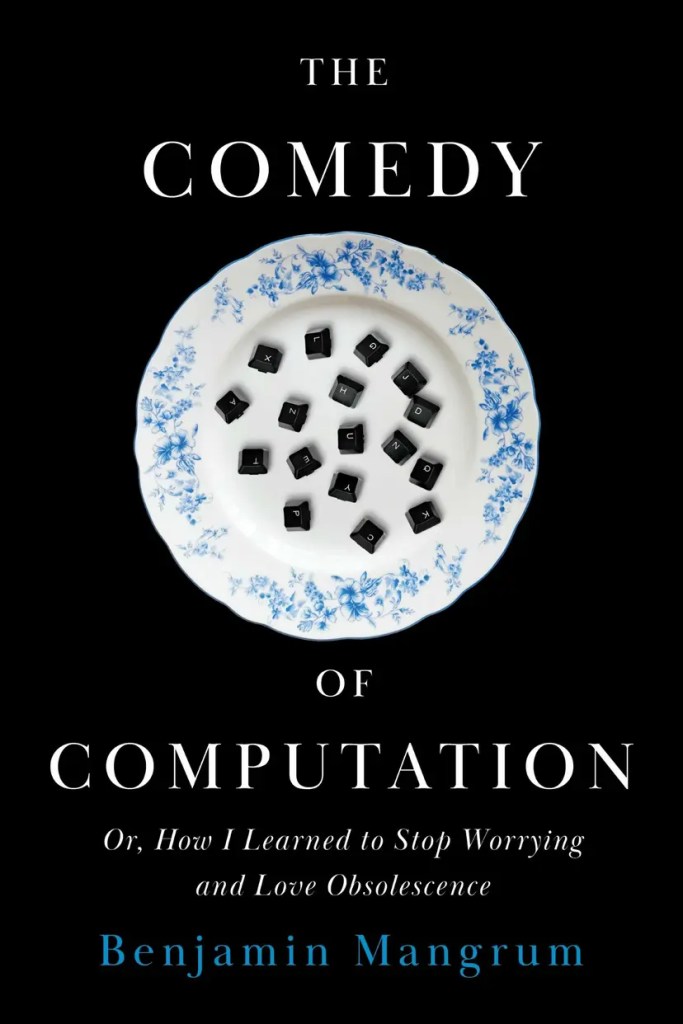
When does comedy become more than a laugh? Ben Mangrum of MIT joins RtB to discuss The Comedy of Computation: Or, How I Learned to Stop Worrying and Love Obsolescence, which in some ways is organized around “the intriguing idea that human knowledge work is our definitive feature and yet the machines we are ourselves made are going to replace us at it.” Comedyhas provided a toolbox (Charles Tilly calls them “collective repertoires”) for responding to the looming obsolescence of knowledge workers.

Continue reading “157 Mangrum’s Comical Computation (JP)”

156* Recall This B-Side: Merve Emre on Natalia Ginzburg’s “The Dry Heart”

RtB loves the present-day shadows cast by neglected books, which can suddenly loom up out of the backlit past. So, you won’t be shocked to know that John has also been editing a Public Books column called B-Side Books. In it, around 50 writers (Ursula Le Guin was one) have made the case for un-forgetting a beloved book. Now, there is a book that collects 40 of these columns. Find it as your local bookstore, or Columbia University Press, or Bookshop, (or even Amazon).

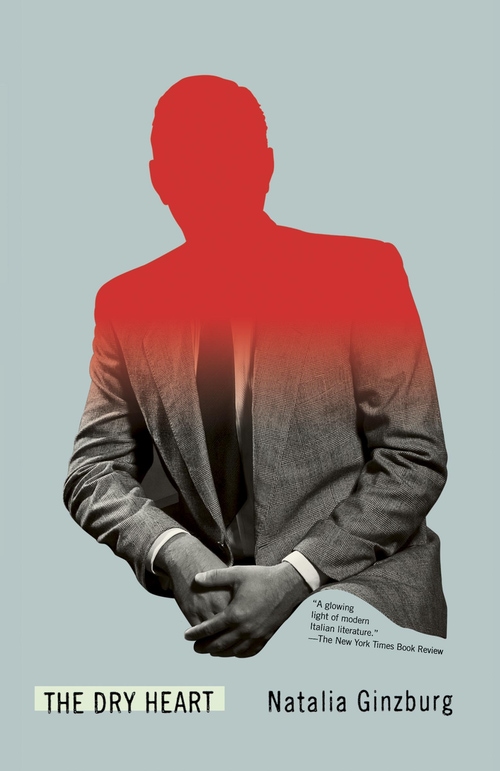
Like our podcast, B-Side Books focuses on those moments when books topple off their shelves, open up, and start bellowing at you. The one that enthralled Merve Emre (Wesleyan professor and author ofsuch terrific works as  The Personality Brokers) was a novella by the luminous midcentury Italian pessimist, Natalia Ginzburg. And if you think you know precisely why a mid-century Italian writer would have a dark and bitter view of the world (already thinking of the Nazi shadows in work by Italo Calvino, Primo Levi and Giorgio Bassani) Ginzburg’s The Dry Heart will have you thinking again.

Continue reading “156* Recall This B-Side: Merve Emre on Natalia Ginzburg’s “The Dry Heart””