177 A Hosts’ Special: Ferry and Plotz Choose Books in Dark Times (EF, JP)

For our pandemic-era Books in Dark Times (our first ever Special Series!) Elizabeth and John discussed books that were keeping us afloat, barely afloat, way back in April 2020. Memory lane, here we come!

A book you might not think would be so comforting starts it off, Daniel Defoe’s A Journal of the Plague Year (1722) about the plague in London “during the last Great Visitation in 1665.”
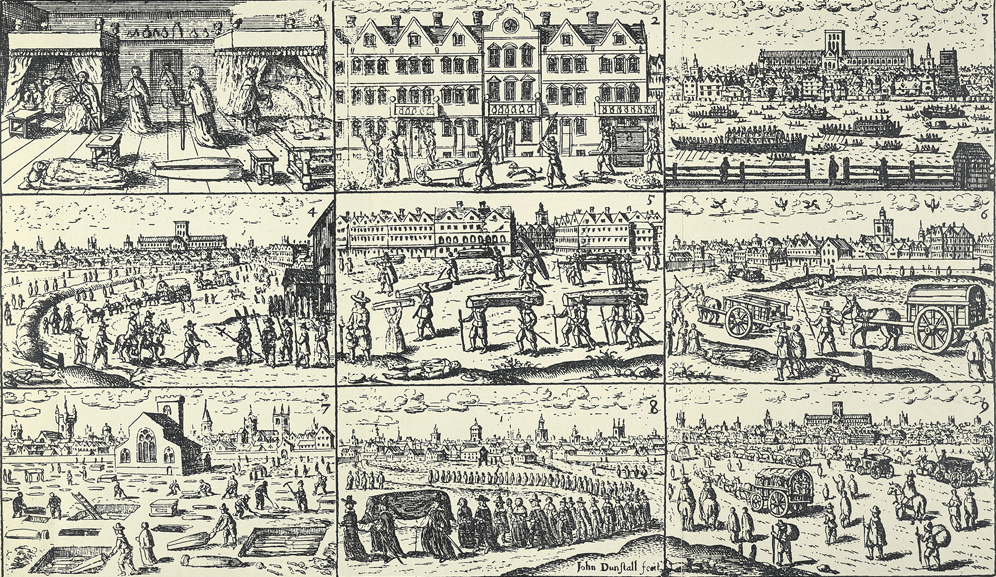
https://www.nationalarchives.gov.uk/education/resources/great-plague/#external-links

Probably based on the journals of Defoe’s uncle Henry Foe, the Journal comforts Elizabeth by its similarities to our current situation, providing a sense of continuity to our forebears. Even if that continuity is through our epidemiological vulnerabilities and our incapacity for coordinated action.

Second, because some aspects of what happened in 1665 seem so familiar, from detailed discussions of the “weekly bills” of dead in each parish and how to interpret them, to arguments over social isolation, contact tracing, the ethics of leaving London for second homes in the country, and the devastating secondary effects of lost commercial activity:

Thirdly: at least it’s not the bubonic plague.

Elizabeth’s love for the 47 novels of Anthony Trollope (or 35 of them, anyways) kicks off a final foray into the deeply comforting books of our childhood–and a discussion of how fantasy nestles into the ordinary.

Mentioned in this episode:

Daniel Defoe, The Life and Adventures of Robinson Crusoe (1719)

E. M. Forester, The Machine Stops (1909)

Anthony Trollope, The Warden (1855)

Frank Capra, It Happened One Night (1934)

Richard Llewellyn, How Green Was My Valley (1939)
Louisa May Alcott, Little Women (1868)

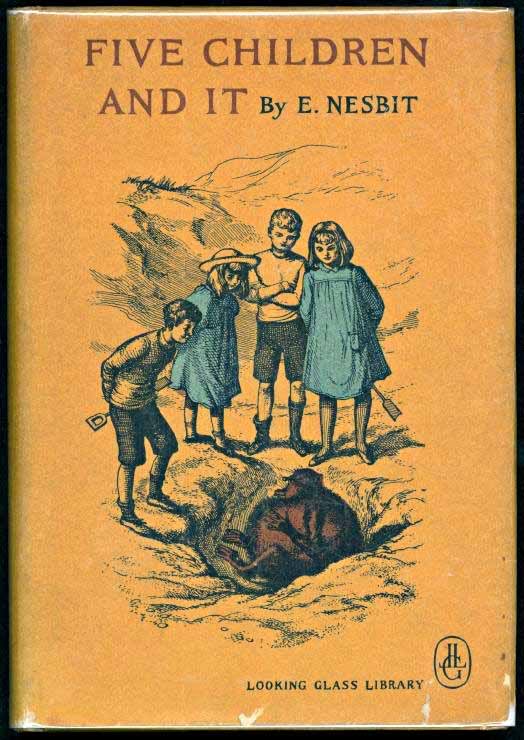
E. Nesbit, Five Children and It (1902), The Railway Children (1905)
Listen to the episode here or read the transcript here; Episode 26 Ferry Plotz
173* Novel Dialogue Crossover: Aaron Gwyn goes West (Sean McCann, JP)

RTB‘s sister podcast, Novel Dialogue, spoke recently with Aaron Gwyn. He is the author of four novels: The World Beneath, Wynne’s War, and, most recently, two wonderfully linked historical novels, All God’s Children, which won the Oklahoma Book award, and The Cannibal Owl. In his conversation with Sean McCann of Wesleyan (A Pinnacle of Feeling: American Literature and Presidential Government and Gumshoe America: Hard-Boiled Crime Fiction and the Rise and Fall of New Deal Liberalism), we learn that Robert Lemmons is a real historical figure and so is Levi English.

One way to grasp Gwyn’s achievement is to consider the contrast between his durably realist work and Cormac McCarthy’s 1985 Blood Meridian. Much as Aaron and Sean admire that novel, McCarthy’s characters strike them as monstrous and incredible. How about Charles Portis’s True Grit, asks John? Aaron loves it for its ventriloquizing power, and its truth-loving willingness to weave in unsettling back stories like Rooster Cogburn’s ties to Quantrill’s Rangers, an eerily modern pro-Confederate terrorist paramilitary. In NOvel Dialogue’s “signature question,” we learn why Aaron’s favorite teacher was Robert Hill, Pink-Floyd-loving drummer and perennial inspiration (audio here).

Continue reading “173* Novel Dialogue Crossover: Aaron Gwyn goes West (Sean McCann, JP)”

165* Helen Garner Hacking Away at the Adverbs: a Novel Dialogue crossover conversation

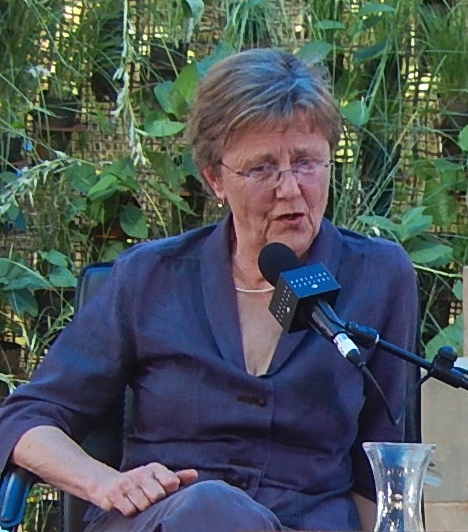
In this RTB and Novel Dialogue episode from 2021, Helen Garner sits down with John and Elizabeth McMahon, a distinguished scholar  of Australian literature. Helen’s novels range from the anti-patriarchy exuberance of Monkey Grip (1977) to the heartbreaking mortality at the heart of The Spare Room (2008). She has also authored a slew of nonfiction, plus screenplays for Jane Campion’s Two Friends and Gillian Armstrong’s wonderfully Garneresque The Last Days of Chez Nous. After a reading from John’s favorite, The Children’s Bach, the trio discusses Garner’s capacity for cutting and cutting, creating resonant, thought-inducing gaps. Garner connects that taste for excision, perhaps paradoxically, to her tendency to accumulate scraps, bits and pieces of life. She relates her father’s restlessness to her own life-total of houses inhabited (27). “Why wouldn’t I write about households?” asks Helen, “They’re just so endlessly interesting.”

Who shaped her writing? Raymond Carver: packed with power, but the pages white with omissions and excisions. Helen offers an anecdote about her own pruning that ends with her “ankle-deep in adverbs.” That’s how to escape the “fat writing” that stems for distrust of the reader. She thoughtfully compares the practical virtues of keeping notebooks for the “music” of everyday life to the nightly process of diary-writing (more analytical). John raises the question of pervasive musical metaphors in Helen’s writing, and she reports her passion for “boring pieces” and the “formal” side of Bach, which makes a listener feel that there is such a thing as meaning. “There’s something about shaping a sentence, too, which can be musical.”

Mentioned in the Episode

Read Episode

Listen to Episode

157 Mangrum’s Comical Computation (JP)


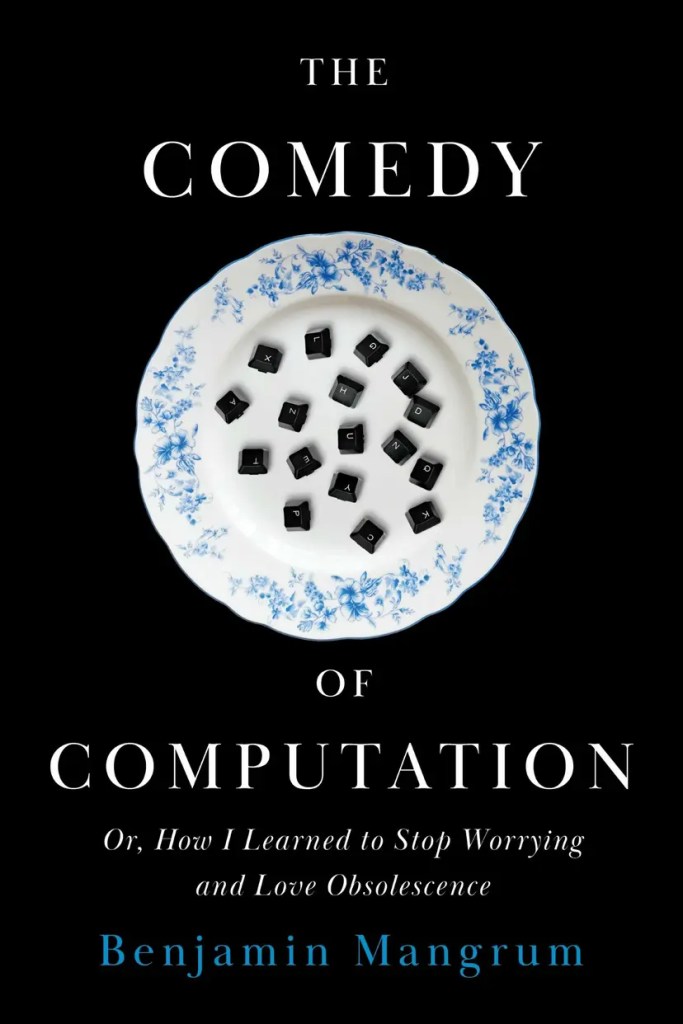
When does comedy become more than a laugh? Ben Mangrum of MIT joins RtB to discuss The Comedy of Computation: Or, How I Learned to Stop Worrying and Love Obsolescence, which in some ways is organized around “the intriguing idea that human knowledge work is our definitive feature and yet the machines we are ourselves made are going to replace us at it.” Comedyhas provided a toolbox (Charles Tilly calls them “collective repertoires”) for responding to the looming obsolescence of knowledge workers.

Continue reading “157 Mangrum’s Comical Computation (JP)”

156* Recall This B-Side: Merve Emre on Natalia Ginzburg’s “The Dry Heart”

RtB loves the present-day shadows cast by neglected books, which can suddenly loom up out of the backlit past. So, you won’t be shocked to know that John has also been editing a Public Books column called B-Side Books. In it, around 50 writers (Ursula Le Guin was one) have made the case for un-forgetting a beloved book. Now, there is a book that collects 40 of these columns. Find it as your local bookstore, or Columbia University Press, or Bookshop, (or even Amazon).

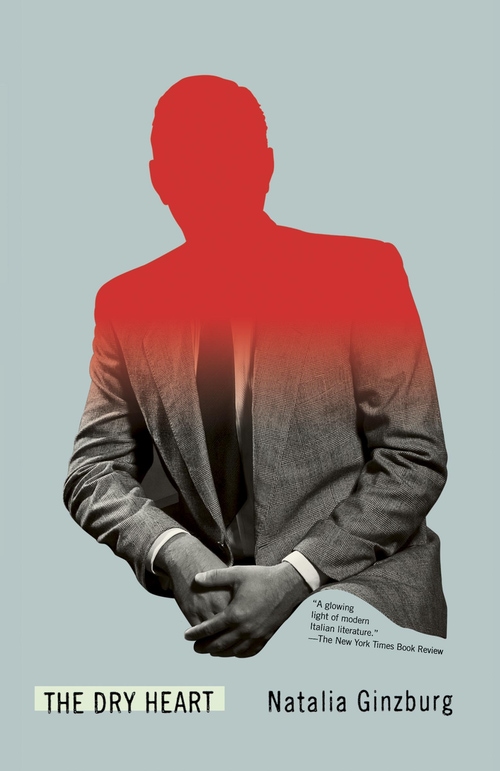
Like our podcast, B-Side Books focuses on those moments when books topple off their shelves, open up, and start bellowing at you. The one that enthralled Merve Emre (Wesleyan professor and author ofsuch terrific works as  The Personality Brokers) was a novella by the luminous midcentury Italian pessimist, Natalia Ginzburg. And if you think you know precisely why a mid-century Italian writer would have a dark and bitter view of the world (already thinking of the Nazi shadows in work by Italo Calvino, Primo Levi and Giorgio Bassani) Ginzburg’s The Dry Heart will have you thinking again.

Continue reading “156* Recall This B-Side: Merve Emre on Natalia Ginzburg’s “The Dry Heart””

154* Planetary Boundaries are Non-Negotiable: Kim Stanley Robinson (Elizabeth Miller, JP)

With influential series on California, on the terraforming of Mars, and on human civilization as reshaped by rising tides,  Kim Stanley Robinson  has established a conceptual space as dedicated to sustainability as his own beloved Village Homes in Davis, California.

All of that, though, only prepared the ground for The Ministry for the Future, his 2020 vision of a sustained governmental and scientific rethinking of humanity’s fossil-burning, earth-warming ways. Flanked by JP, KSR’s friend and ally Elizabeth Carolyn Miller (celebrated eco-critic and UC Davis professor) asked him to reflect on the book’s impact in this conversation with our sister podcast, Novel Dialogue.

Continue reading “154* Planetary Boundaries are Non-Negotiable: Kim Stanley Robinson (Elizabeth Miller, JP)”

139 Recall This Story: Ivan Kreilkamp on Sylvia Townsend Warner’s “Foxcastle” (JP)

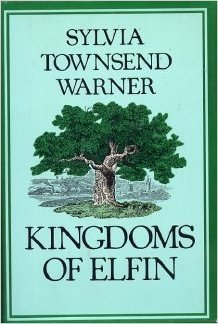
Ivan Kreilkamp, Indiana University English professor and no stranger to Recall This Book, is the author of two books on Victorian literature and one about Jennifer Egan. For this episode of Recall This Story, Ivan reads Sylvia Townsend Warner‘s “Foxcastle. It was first published in The New Yorker in 1975 and became the final story in her final book, Kingdoms of Elfin.

Continue reading “139 Recall This Story: Ivan Kreilkamp on Sylvia Townsend Warner’s “Foxcastle” (JP)”