

Anne Enright, writer, critic, Booker winner, kindly made time back in 2023 for Irish literature maven Paige Reynolds and for John Plotz in his role as host for our sister podcast, Novel Dialogue. In this conversation, she reads from The Wren, The Wren and says we don’t yet know if the web has become a space of exposure or of authority. We can be sure that the state of diffusion we all exist in is “pixilated”–though perhaps we can take comfort from the fact that “Jeff Bezos…is not as interested in your period as you might think.”
Continue reading “134* Etherized: Anne Enright in a Novel Dialogue conversation (Paige Reynolds, JP)”Category: Author interviews
128 Recall This Story: Steve McCauley excavates John Cheever’s “The Five-Forty-Eight” (JP)
We debut a new feature: Recall This Story, in which a contemporary writer picks out a bygone story to read and to analyze. Surely there is no better novelist to begin with than RTB’ shouse sage, Steve McCauley.
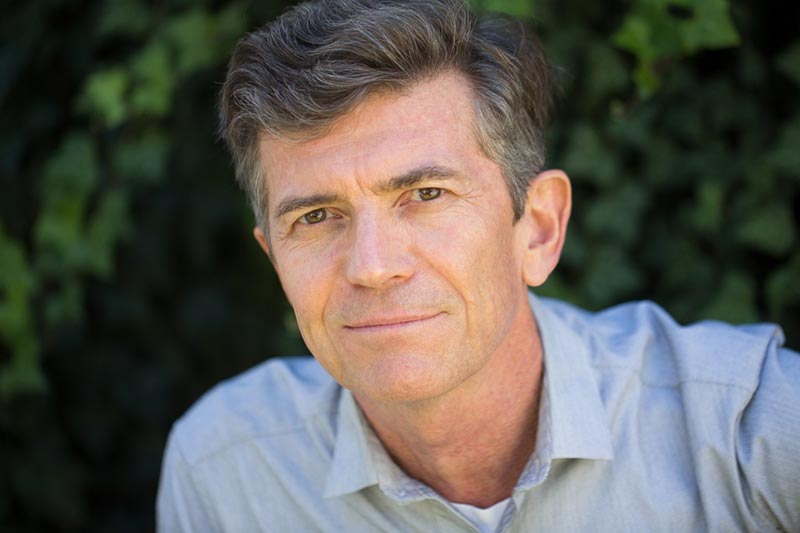
And not just because he’s got the pipes to power through a whole fantabulous John Cheever story. “The Five-Forty-Eight” (published in The New Yorker 70 years ago) is about sordidness uncovered, a train, and a face in the dirt. It ticks almost every Cheever box, evoking an infinitude of lives unled elsewhere while ostensibly documenting nothing more than the time to takes to down a couple of drinks, scuttle feverishly through some midtown streets, and take a lumbering commuter train out of the city.
Continue reading “128 Recall This Story: Steve McCauley excavates John Cheever’s “The Five-Forty-Eight” (JP)”126 E.G. Condé / Steve Gonzalez on Hurricanes, Fiction, and Speculative Ethnography (EF)
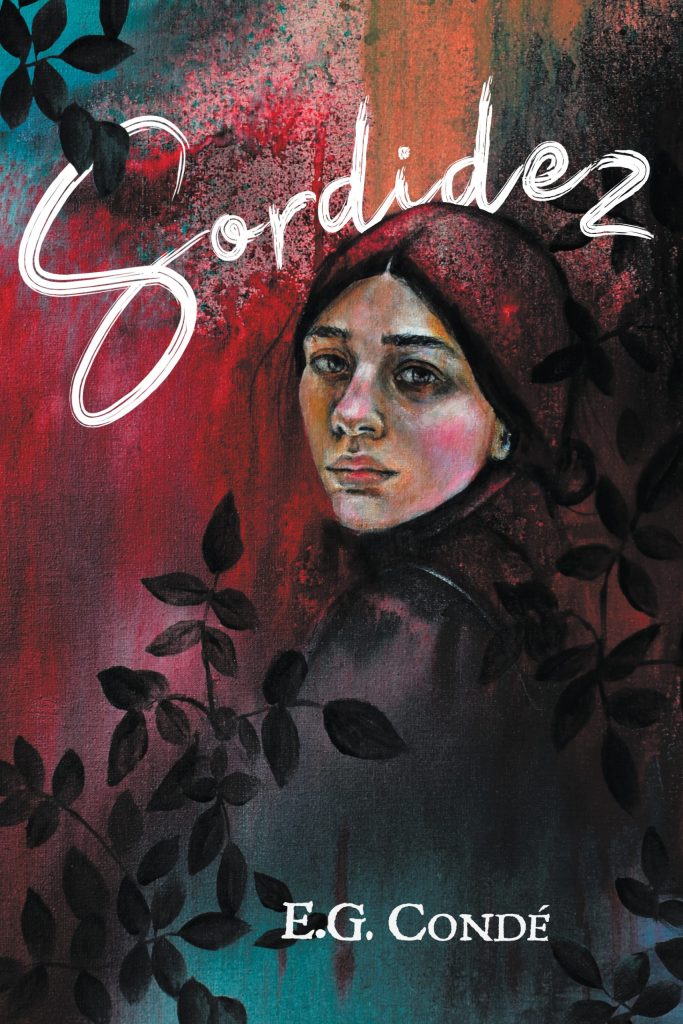
Sordidez, by E.G. Condé, Stelliform Press, 2023
In this episode, Elizabeth talks with Steven Gonzalez, anthropologist and author of speculative fiction under the pen name E.G. Condé. They discuss the entanglement of politics, Taíno animism, and weather events in the form of a hurricane named Teddy. Steve describes the suffusion of sound he has experienced in Puerto Rico and the soundlessness at the heart of hurricanes, and tells us about his academic work on data centers, and a collaborative speculative film that imagines a world without clouds.
Continue reading “126 E.G. Condé / Steve Gonzalez on Hurricanes, Fiction, and Speculative Ethnography (EF)”123* Sheila Heti speaks about awe with Sunny Yudkoff (JP)
In this fantastic recent episode from our colleagues at Novel Dialogue, Sheila Heti sits down with Sunny Yudkoff and John to discuss her incredibly varied oeuvre. She does it all: stories, novels, alphabetized diary entries as well as a series of dialogues in the New Yorker with an AI named Alice.
Drawing on her background in Jewish Studies, Sunny prompts Sheila to unpack the implicit and explicit theology of her recent Pure Color (Sheila admits she “spent a lot of time thinking about …what God’s pronouns are going to be” ) as well as the protagonist’s temporary transformation into a leaf. The three also explore how life and lifelikeness shape How Should a Person Be. Sheila explains why “auto-fiction” strikes her as a “bad category” and “a lazy way of thinking about what the author is doing formally” since “the history of literature is authors melding their imagination with their lived experience.”
If you enjoyed this Novel Dialogue crossover conversation, you might also check out earlier ones with Joshua Cohen, Charles Yu, Caryl Phillips, Jennifer Egan, Helen Garner and Orhan Pamuk.
Works by Sheila Heti mentioned in the episode
Pure Colour
How Should a Person Be?
Alphabetical Diaries
Ticknor
We Need a Horse (children’s book)
The Chairs are Where the People Go (with Misha Glouberman)
Also mentioned:
Oulipo Group
Autofiction: e.g. Ben Lerner, Rachel Cusk, Karl Ove Knausgard
Craig Seligman, Sontag and Kael
George Eliot, Middlemarch
Clarice Lispector (e.g. The Hour of the Star)
Kenneth Goldsmith Soliloquy
Willa Cather, The Professor’s House
William Steig, Sylvester and The Magic Pebble.
112 Earthsea, and other realms: Ursula Le Guin as social inactivist (EF, JP, [UKL])
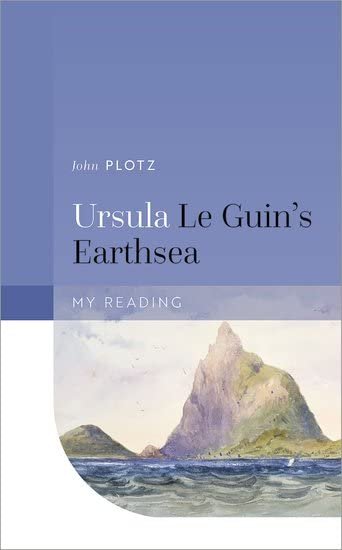
To mark the publication of John’s book Ursula Le Guin’s Earthsea (My Reading), with Oxford University Press, John and Elizabeth take to the airways to share their love of Le Guin’s “speculative anthropology,” gender politics, and goats.
And we share a delight we’ve been holding back for just this occasion, a series of clips from John’s interview with Le Guin in her hometown of Portland, Oregon, in 2015 (a longer print-only version appeared in Public Books). Since Ursula is no longer with us, having died in 2018, it’s especially poignant to listen to their conversation. Though in fact, the tone of their conversation isn’t sad at all, but friendly, generous, and ruminative.
Continue reading “112 Earthsea, and other realms: Ursula Le Guin as social inactivist (EF, JP, [UKL])”111* Samuel R Delany, Nevèrÿon and beyond (JP)
.
John Plotz talked with Samuel Delany, living legend of science fiction and fantasy back in 2019. You probably know him best for breakthrough novels like Dhalgren and Trouble on Triton, which went beyond “New Wave” SF to introduce an intense and utterly idiosyncratic form of theory-rich and avant-garde stylistics to the genre. Reading him means leaving Earth, but also returning to the heady days when Greenwich Village was as caught up in the arrival of Levi-Strauss and Derrida to America as it was in a gender and sexuality revolution.

RTB loves him especially for his mind-bending Neveryon series: did you know that many consider his 1984 novella from that series, “The Tale of Plagues and Carnivals,” (set both inside the world of Neveryon and along Bleecker Street in NY) the first piece of fiction about AIDS in America?
Continue reading “111* Samuel R Delany, Nevèrÿon and beyond (JP)”110* Novel Dialogue: Joshua Cohen (JP, Eugene Sheppard)
In this episode (originally aired by our partner Novel Dialogue) John and his Brandeis colleague Eugene Sheppard speak with Joshua Cohen about The Netanyahus. Is the 2021 novel a Pulitzer-winning bravura story of the world’s worst job interview? Or is it a searing indictment of ethno-nationalist Zionism–and the strange act of pretense whereby American Jewish writers and thinkers in postwar America pretended that Israel and its more extreme ethno-nationalist strains didn’t concern them?

Cohen dramatizes the return of that repressed by imagining the family of the Benzion Netanyahu (actual medieval Spanish historian and father of Israel’s past and present Prime Minister Bibi) landing itself on a would-be assimilated American Jewish family ripped straight from the pages of a Philip Roth or Bernard Malamud novel.
Continue reading “110* Novel Dialogue: Joshua Cohen (JP, Eugene Sheppard)”95* Kim Stanley Robinson, Books in Dark Times (JP)
Kim Stanley Robinson, SF novelist of renown, has three marvelous trilogies: The Three Californias, Science in the Capital and Red Mars, Green Mars and Blue Mars. But lately it is The Ministry for the Future, his “science fiction nonfiction novel” (Jonathan Lethem) that has politicians, Eurocrats and the rest of us pondering how policy might fight climate change.

In this Books in Dark Times conversation from the RTB vaults (you can also read a longer version that appeared as an article in our partner Public Books) Stan and John start out with Stan’s emerging from the Grand Canyon into the pandemic moment of late March, 2020. Then they discuss Stan’s sense that SF is the realism of the day and his take on “cognitive estrangement.” Finally, they happen upon a shared admiration for the great epic SF poet, Frederick Turner. Small fact connecting him to RTB-land: he completed a literature PhD directed by Frederic Jameson with a dissertation-turned-book on the novels of Phillip K. Dick.
Continue reading “95* Kim Stanley Robinson, Books in Dark Times (JP)”89* Charles Yu with Chris Fan: The Work of Inhabiting a Role (Novel Dialogue Crossover, JP)
Charles Yu won the 2020 National Book Award for Interior Chinatown but some of us became fans a decade earlier, with How to Live Safely in a Science Fictional Universe (2010). That novel brilliantly uses SF conventions to uncover the kind of self-deceptive infilling that we all do every day, the little stories we tell ourselves to make our world seem predictable and safe when it’s anything but. In this crossover episode, which originally aired on Novel Dialogue, where critics and novelists sit down together in peace, He speaks with John and with science-fiction scholar Chris Fan, Assistant Professor at UC Irvine, senior editor and co-founder of Hyphen magazine.
Continue reading “89* Charles Yu with Chris Fan: The Work of Inhabiting a Role (Novel Dialogue Crossover, JP)”86 Dana Stevens Keaton (JP EF)
Dana Stevens joins Elizabeth and John to discuss Camera Man: Buster Keaton, the Dawn of Cinema and the Invention of the Twentieth Century. Her fantastic new book serves as occasion to revel in the work and working world of Buster Keaton, that “solemn, beautiful, perpetually airborne man.” Although packed with fascinating tidbits from Keaton’s life, Camera Man is much more than just a biography. It performs its own airborne magic, lightly traversing topics like the crackdown on the use of children in vaudeville, the fluidity of roles before and behind the camera in early Hollywood and the doors that were briefly (ever so briefly) opened for female directors.
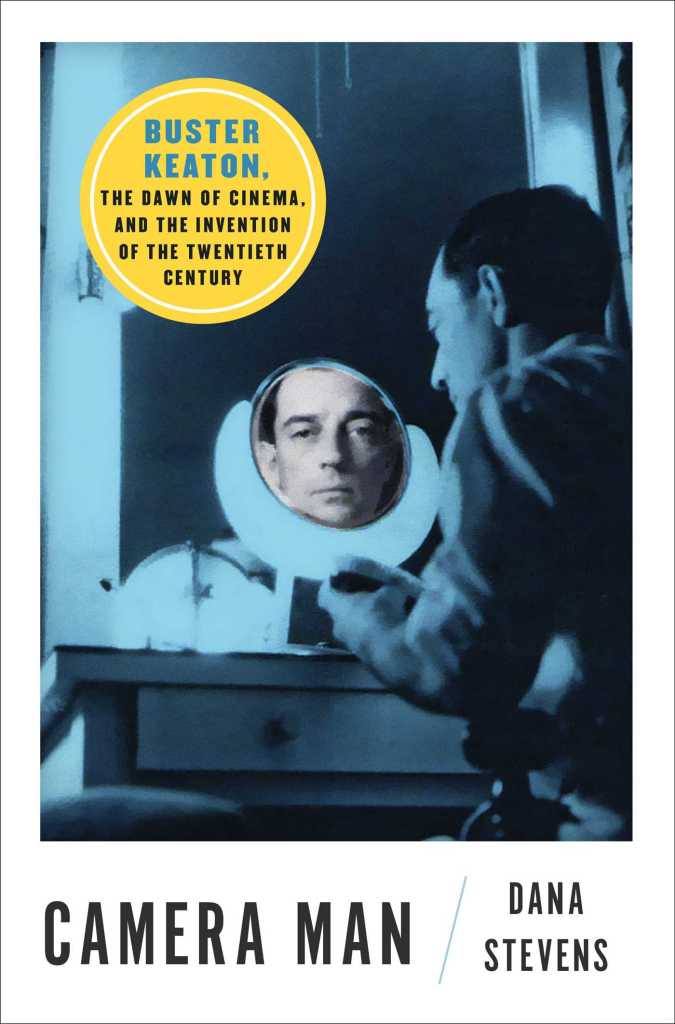
Among other treats, Dana unpacks one of Keaton’s early great “two-reelers” One Week ( a spoof of brisk upbeat industrial films) and his parodic “burlesques” e.g. of Lillian Gish.
Continue reading “86 Dana Stevens Keaton (JP EF)”*85 Pu Wang and JP unpack their Cixin Liu interview
Our first August rebroadcast was John and Pu’s 2019 interview with SF superstar Cixin Liu (you may want to re-listen to that episode before this one!). Here, they reflect on the most significant things that Liu had said, and to ponder the political situation for contemporary Chinese writers who come to the West to discuss their work.

They consider whether our world is like a cabinet in a basement, and what kind of optimism or pessimism might be available to science fiction writers, and extend the conversation from their interview about world building, realism, and film. They compare the interview to a recent profile of Liu in The New Yorker, and ponder the advantages and disadvantages of pressing writers to weigh in on the hot-button topics of the day (hint: RTB made the right choice!).
Continue reading “*85 Pu Wang and JP unpack their Cixin Liu interview”*84 Cixin Liu (JP, Pu Wang)
John and Pu Wang, a Brandeis professor of Chinese literature, spoke with science-fiction genius Cixin Liu back in 2019. His most celebrated works include The Three Body Problem, The Dark Forest, and Death’s End.
When he visited Brandeis to receive an honorary degree, Liu paid a visit to the RTB lair to record this interview. Liu spoke in Chinese and Pu translated his remarks in this English version of the interview (the original Chinese conversation is at 刘慈欣访谈中文版 Episode 14c).
Continue reading “*84 Cixin Liu (JP, Pu Wang)”*83 Plotz and Ferry on Zadie Smith
In this 2019 conversation, rebroadcast now to follow up RTB 82, Elizabeth and John try their best to unpack Zadie Smith’s take on sincerity, authenticity and human sacredness; the “golden ticket” dirty secret behind our hypocritical academic meritocracy; surveillance capitalism as the “biggest capital grab of human experience in history;” and her genealogy of the novel. If we had to sum the day up with a few adjectives (and we do): funny, provocative, resplendent, chill, generous, cantankerous.
Continue reading “*83 Plotz and Ferry on Zadie Smith”*82 Zadie Smith in Focus (JP)
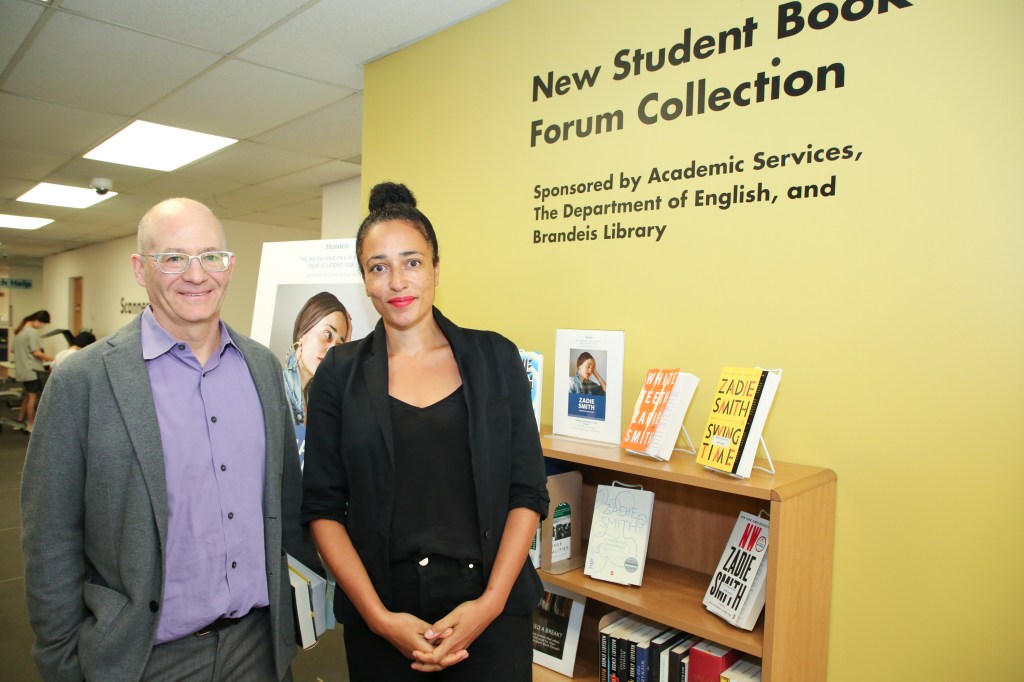
In this 2019 episode, John interviews the celebrated British writer Zadie Smith. Zadie’s horror at the idea of rereading her own novels opens the show; she can more easily imagine rewriting one (as John’s beloved Willa Cather once did) than having to go through them all again. From there the conversation quickly moves through Brexit (oh, the inhumanity!) and what it means to be a London–no, a Northwest London–writer before arriving at her case against identity politics. That case is bolstered by a discussion of Hannah Arendt on the difference between who and what a person is. As Zadie puts it, “When you say my people, you can[‘t] know for certain who those people are by looking at them and by hearing what they have to say. I think what fiction as a kind of philosophy always assumed is that what people make manifest is not all that people are. There’s a great part of human selves which are hidden, unknown to the self, obscure, and that’s the part that fiction is interested in.”
80 We are Not Digested: Rajiv Mohabir (Ulka Anjaria, JP)
Rajiv Mohabir is a dazzling poet of linguistics crossovers, who works in English, Bhojpuri, Hindi and more. He is as prolific as he is polyglot (three books in 2021!) and has undertaken a remarkable array of projects includes the prizewinning resurrection of a forgotten century-old memoir about mass involuntary migration. (If you don’t need to read any further, Listen to the episode here).
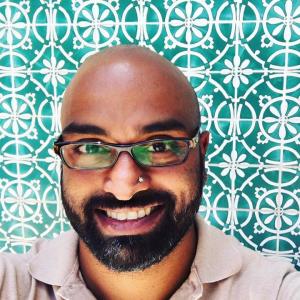
He joined John and first-time host Ulka Anjaria (English prof, Bollywood expert and Director of the Brandeis Mandel Center for the Humanities) in the old purple RtB studio. During the conversation, Rajiv read and in one case sang poems from his wonderful recent books, Cutlish and Antiman.
Continue reading “80 We are Not Digested: Rajiv Mohabir (Ulka Anjaria, JP)”79* Madeline Miller on Circe (GT, JP)
In this rebroadcast, John and Brandeis neuroscientist Gina Turrigiano (an occasional host and perennial friend of Recall this Book) speak with Madeline Miller, author of the critically acclaimed bestseller Circe.
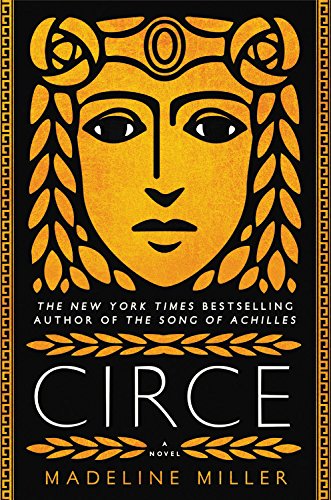
They discuss Circe’s place in Greek mythology and in a retelling of the Odyssey “from below” or “from the side,” the concept of “mythological realism,” and the influence of The Once and Future King on Madeline’s writing. They touch too on the sweet family aspects that show up in Homer, and on Odysseus’s changing reputation throughout time. Madeline has two totally unexpected recommendations in our Recallable Books section.
Continue reading “79* Madeline Miller on Circe (GT, JP)”72 Caryl Phillips speaks with Corina Stan (Novel Dialogue Crossover, JP )
Our second January Novel Dialogue conversation is with Caryl Phillips, professor of English at Yale and world-renowned for novels ranging from The Final Passage to 2018’s A View of the Empire at Sunset. He shares his thoughts on transplantation, on performance, on race, even on sports. Joining him here are John and the wonderful comparatist Corina Stan, author of The Art of Distances: Ethical Thinking in 20th century Literature. If you enjoy this conversation, range backwards through the RtB archives for comparable talks with Jennifer Egan, Helen Garner, Orhan Pamuk, Zadie Smith, Samuel Delany and many more.
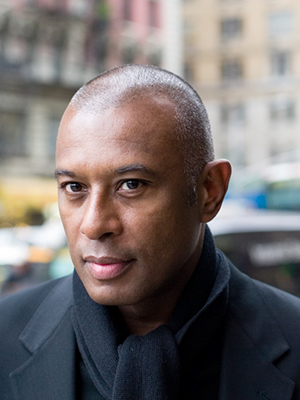
71 Jennifer Egan with Ivan Kreilkamp: fiction as streaming, genre as portal (Novel Dialogue crossover, JP)
This week on Recall this Book, another delightful crossover episode from our sister podcast Novel Dialogue, which puts scholars and writers together to discuss the making of novels and what to make of them. (If you want to hear more, RtB 53 featured Nobel Orhan Pamuk, RtB 54 brought in Helen Garner, and in RtB 72 we haveCaryl Phillips). Who better to chat with John and Jennifer Egan–prolific and prize-winning American novelist–than Ivan Kreilkamp? The distinguished Indiana Victorianist showed his Egan expertise last year in his witty book, A Visit from the Goon Squad Reread.
Continue reading “71 Jennifer Egan with Ivan Kreilkamp: fiction as streaming, genre as portal (Novel Dialogue crossover, JP)”68* Martin Puchner: Gilgamesh to Amazon (EF, JP)
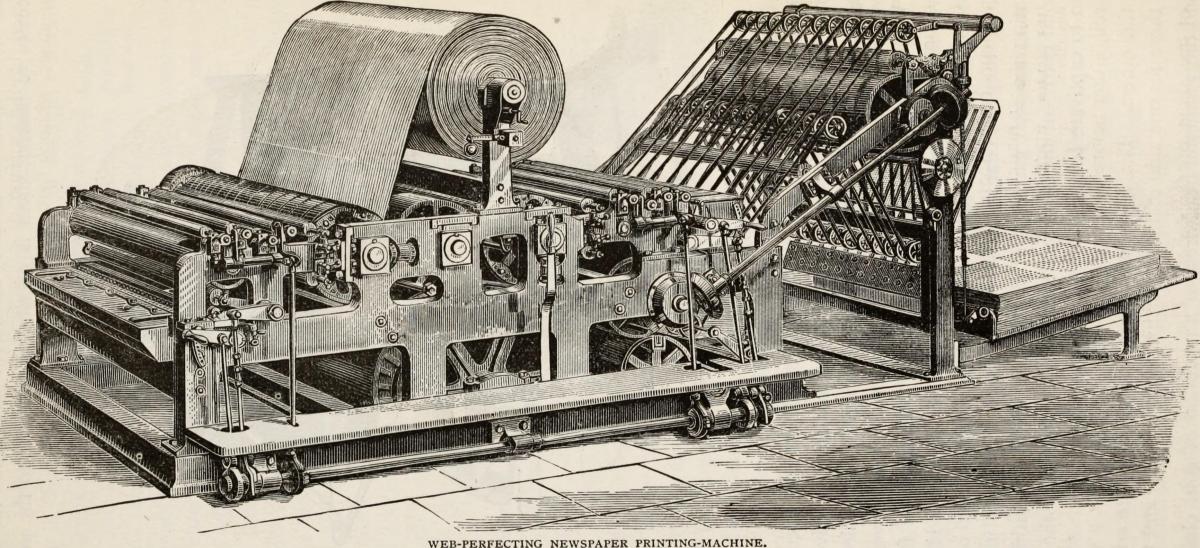
Book Industry Month continues with a memory-lane voyage back to a beloved early RtB episode. This conversation with Martin Puchner about the very origins of writing struck us as perfect companion to Mark McGurl’s wonderful insights (in RtB 67, published earlier this month) about the publishing industry’s in 2021, or as Mark tells it, the era of “adult diaper baby love.”

Aside from being a fabulous conversation about Martin’s wonderful history of book production through the ages (The Written World) this episode brings back happy memories of Elizabeth and John piling their guests into a cozy sound booth at Brandeis, the kind of place that’s utterly taboo in Pandemic America.So travel with us back to 2019 for a close encounter with the epic of Gilgamesh. The three friends discuss the different stages of world writing–from the time of the scribes to the time of great teachers like Confucius, Socrates and Jesus Christ, who had a very complicated relationship to writing.
Continue reading “68* Martin Puchner: Gilgamesh to Amazon (EF, JP)”67 Everything and Less: Mark McGurl on Books in the Age of Amazon (JP, EF, 11/4)
RtB Book Industry month kicks off with a simple question: What do you make of Amazon? Is it the new Sears Roebuck? A terrifying monopoly threat? Satisfaction (a paperback in your mailbox, a Kindle edition on your tablet) just a click away? John and Elizabeth speak with Stanford English prof Mark McGurl, whose previous books include the pathbreaking The Program Era.
Continue reading “67 Everything and Less: Mark McGurl on Books in the Age of Amazon (JP, EF, 11/4)” Recall This Book