159 Glenn Patterson: You Can Choose Who You Are (JP, DC)


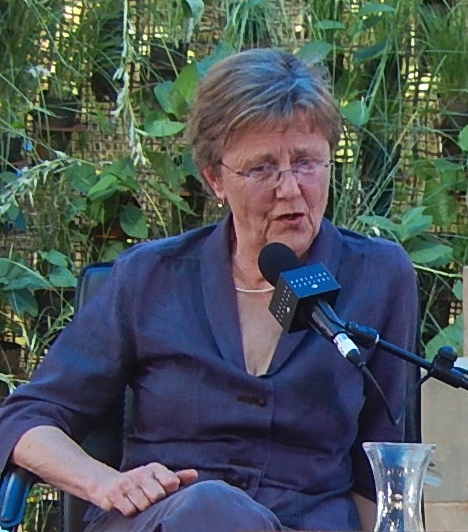
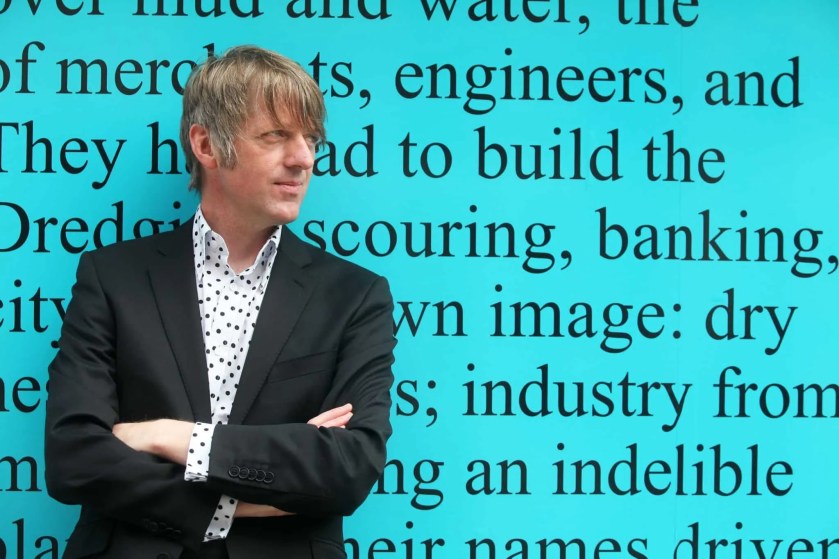
In Belfast, good fences can make for bad neighbors. David Cunningham (Wash U. sociologist, author of There’s Something Happening Here and Klansville, U.S.A) joins John to speak about the Troubles and their aftermath with the brilliant Northern Irish novelist/essayist/memoirist Glenn Patterson. His fiction includes The International  (1999) and Where Are We Now?  but the conversation’s main focus is his two collections of short non-fiction, Lapsed Protestant (2006) and Here’s Me Here (2016).

Glenn has lifetime of insights about the boundary markers and easy to miss shibboleths that define life in divided places–and in divided times. In Belfast, everyone learns to use words without being marked out: how do you avoid uttering “the one word that gets you killed”? 

But Troubles that go cold also have a way of heating up again, if we forget, as Glenn puts it, that you can choose who you are. China Mieville’s brilliant novel The City and the City is, says Glenn, an allegory for places like Belfast itself, where you have to learn to “unsee” residents of “the other city” even in shared areas.  That kind of unseeing, in fiction and in real life, leads to distorted mental maps.

Glenn sees the so-called “softening” of the peace walls as among the most pernicious occurrences of the last 40 years, since softening coupled with notion that you simply belong to one of two “communities” is what makes real traffic, real conversation, harder to achieve. He and David agree that all over the world, in ways the echo Belfast although it is rarely spelled out, all sorts of invisible architectural extensions of the security and segregation apparatus hover unobtrusively. Glenn also riffs on the names people dream up for what might lie beyond a Belfast wall’s other side, spinning off writer Colin Carberry‘s proposal: Narnia.

Mentioned in the Episode

“Love poetry: the RUC and Me” was Glenn’s first nonfiction piece back inthe late 1980s.

Robert McLiam Wilson: Glenn’s friend and fellow Troubles novelist, whose work includes Ripley Bogle (1989).

Eoin Macnamie‘s work includes Resurrection Man  (1994).

“The C-word” (2014) Glenn’s wonderful essay on the trouble that starts when the word “community” gets subdivided into “communities.”

Padraic Fiacc, sometimes called ”the Poet oft he Troubles”  finally has a blue historical marker. That makes Glenn ask why are there are so many “blue plaques” for combatants, so few for non-combatants? 

The interface zones and the strategic cul de sacs that continue to divide Belfast neighborhoods have been brilliantly detailed and studied by various historians; eg this tour by Neil Jarman,

Glenn compares Civil Rights in Northern Ireland in the 1960s with the US Civil Rights movement and with Paris 1968; the 70’s bombing campaigns lines up with the actions of the Red Army Faction in Germany.

Recallable Books

Glennn says his inspiration to write on partition comes from reading Salman Rushdie’s Shame and Midnight’s Children. He also praises John Dos Passos USA trilogy.

David interested in the long tail of a conflict and aingles out Glenn Patterson’s own novel, The Northern Bank Job  as well as Eoin McNamee The Bureau.

In spired by Glenn’s account of how resident learn to see and unsee portions of Belfast, John praises Kevin Lynch’s 1960 The Image of the City.

Read transcript and Listen to the episode here.

158* Ben Fountain in Dark Times (JP)

Ben Fountain is far more than just the author of Billy Lynn’s Long Halftime Walk, which won RTB hearts and minds (and the National Book Award) long before it became a weird Ang Lee movie.

Continue reading “158* Ben Fountain in Dark Times (JP)”

157 Mangrum’s Comical Computation (JP)


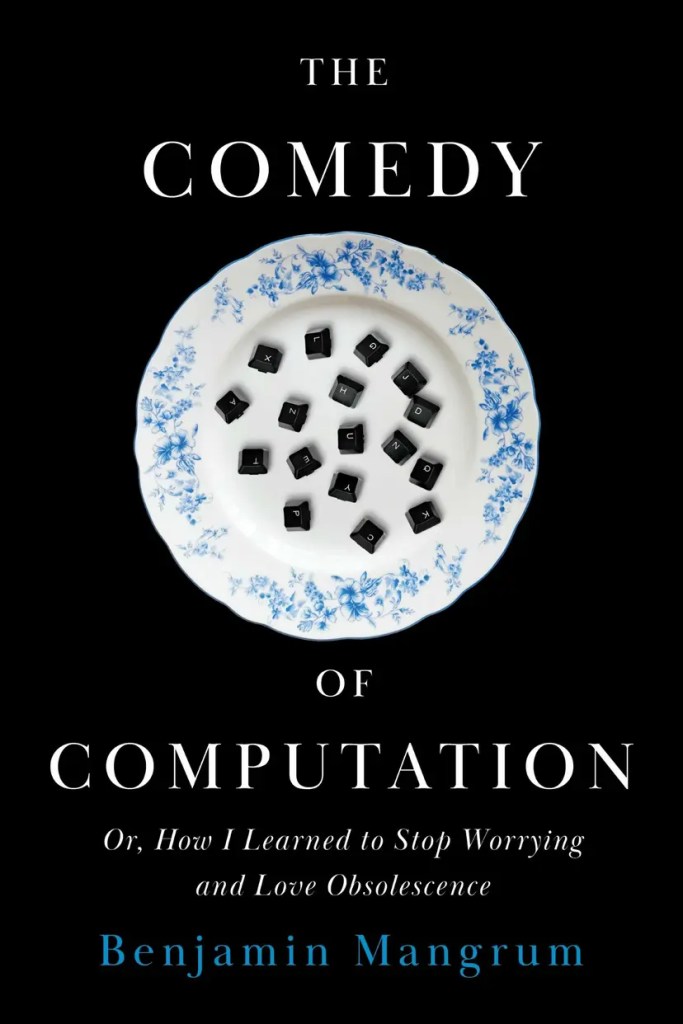
When does comedy become more than a laugh? Ben Mangrum of MIT joins RtB to discuss The Comedy of Computation: Or, How I Learned to Stop Worrying and Love Obsolescence, which in some ways is organized around “the intriguing idea that human knowledge work is our definitive feature and yet the machines we are ourselves made are going to replace us at it.” Comedyhas provided a toolbox (Charles Tilly calls them “collective repertoires”) for responding to the looming obsolescence of knowledge workers.

Continue reading “157 Mangrum’s Comical Computation (JP)”

156* Recall This B-Side: Merve Emre on Natalia Ginzburg’s “The Dry Heart”

RtB loves the present-day shadows cast by neglected books, which can suddenly loom up out of the backlit past. So, you won’t be shocked to know that John has also been editing a Public Books column called B-Side Books. In it, around 50 writers (Ursula Le Guin was one) have made the case for un-forgetting a beloved book. Now, there is a book that collects 40 of these columns. Find it as your local bookstore, or Columbia University Press, or Bookshop, (or even Amazon).

Like our podcast, B-Side Books focuses on those moments when books topple off their shelves, open up, and start bellowing at you. The one that enthralled Merve Emre (Wesleyan professor and author ofsuch terrific works as  The Personality Brokers) was a novella by the luminous midcentury Italian pessimist, Natalia Ginzburg. And if you think you know precisely why a mid-century Italian writer would have a dark and bitter view of the world (already thinking of the Nazi shadows in work by Italo Calvino, Primo Levi and Giorgio Bassani) Ginzburg’s The Dry Heart will have you thinking again.

Continue reading “156* Recall This B-Side: Merve Emre on Natalia Ginzburg’s “The Dry Heart””

155 Lyndsey Stonebridge on Hannah Arendt’s Lessons on Love and Disobedience (JP)

An Arendt expert has arrived at Arendt-obsessed Recall This Book. Lyndsey Stonebridge discusses her  widely praised 2024 We Are Free to Change the World: Hannah Arendt’s Lessons in Love and Disobedience. Lesley sees both radical evil and the banality of evil at work in Nazi Germany and in the causes of suffering and death in Gaza today. She compares the moral idiocy of authoritarians (like the murderous Nazis and those who are starving Gaza)  to that of philosophers who cannot hear the echoes of what they are doing.

Lesley and John discuss Arendt’s belief in the fragile ethics of the Founding Fathers, with its checks and balances  and its politics based not on emotion but cool deliberation. Arendt could say that “The fundamental contradiction of [America] is political freedom coupled with social slavery,”” but why was she too easy on the legacy of imperial racism in America, missing its settler-colonial logic? Arendt read W. E. B. DuBois (who saw and said this) but perhaps, says Lesley, not attentively enough.

Continue reading “155 Lyndsey Stonebridge on Hannah Arendt’s Lessons on Love and Disobedience (JP)”

154* Planetary Boundaries are Non-Negotiable: Kim Stanley Robinson (Elizabeth Miller, JP)

With influential series on California, on the terraforming of Mars, and on human civilization as reshaped by rising tides,  Kim Stanley Robinson  has established a conceptual space as dedicated to sustainability as his own beloved Village Homes in Davis, California.

All of that, though, only prepared the ground for The Ministry for the Future, his 2020 vision of a sustained governmental and scientific rethinking of humanity’s fossil-burning, earth-warming ways. Flanked by JP, KSR’s friend and ally Elizabeth Carolyn Miller (celebrated eco-critic and UC Davis professor) asked him to reflect on the book’s impact in this conversation with our sister podcast, Novel Dialogue.

Continue reading “154* Planetary Boundaries are Non-Negotiable: Kim Stanley Robinson (Elizabeth Miller, JP)”

152 Why I Paneled: A Backwards Glance by Kristin Mahoney and Nasser Mufti (JP)

In RTB 151, you heard the Kristin, Nasser and John discussing what might happen before their Northeastern Victorian Studies Association conference actually took place. This episode, recorded a few weeks later, looks back at what actually occurred and see how it aligned with or defied the panelists’ prior expectations.

The three discuss what it means to have an emergent and residual shticks; differences between how you prepare to talk to undergraduates and your peers matter, and the three agree that going in without any expectations of your audience makes for a weaker presentation. Imaginary interlocution makes for better pre-gaming.

Continue reading “152 Why I Paneled: A Backwards Glance by Kristin Mahoney and Nasser Mufti (JP)”

150* Steve McCauley on Barbara Pym: The Comic Novel Explored and Adored (JP)


Back in 2019, John spoke with the celebrated comic novelist Stephen McCauley. Nobody knows more about the comic novel than Steve–his latest is You Only Call When You’re in Trouble, but John still holds a candle for his 1987 debut, Object of My Affection, made into a charming Jennifer Aniston Paul Rudd movie. And there is no comic novelist Steve loves better than Barbara Pym, a mid-century British comic genius who found herself forgotten and unpublishable in middle age, only to roar back into print in her sixties with A Quartet in Autumn. Steve and John’s friendship over the years has been sealed by the favorite Pym lines they text back and forth to one another, so they are particularly keen to investigate why her career went in this way.

stephen-mccauley-2017 photo
Steve McCauley

In the episode, they talk about some of these favorite sentences from Pym, and then turn to the comic novel as a genre. They talk about the difference between humorous and comic writing, the earthiness of comedy, whether comic novels should have happy or sad endings, and whether the comic novel is a precursor to, or an amoral relief from, the sitcom. They also discuss some of Steve’s fiction, including his Rain Mitchell yoga novels. In Recallable Books John recommends Pictures from an Institution by Randall Jarrell and Steve recommends After Claude by Iris Owens.

barbarapym_internationalafricainstitute
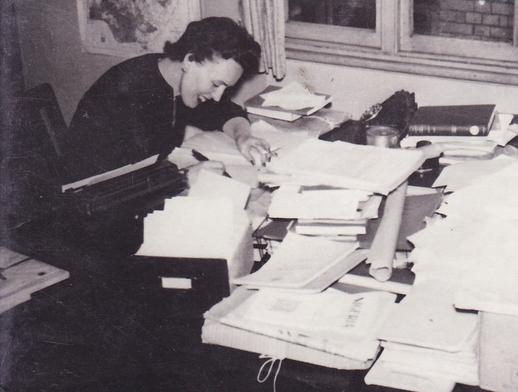
Barbara Pym at work

Discussed in this episode:

The Life and Opinions of Tristram Shandy, Gentleman, Laurence Sterne

Vanity Fair, William Makepeace Thackeray

Jane Eyre, Charlotte Bronte

The Adventures of Huckleberry Finn, Mark Twain

Jude the Obscure, Thomas Hardy

The Beast in the Jungle,” Henry James

The Thurber Carnival, James Thurber

The Group, Mary McCarthy

After Claude, Iris Owens

Pictures from an Institution, Randall Jarrell

An Unsuitable Attachment, Barbara Pym

Less than Angels, Barbara Pym

The Sweet Dove Died, Barbara Pym

Portnoy’s Complaint, Philip Roth

The SelloutPaul Beatty

My Ex-Life, Stephen McCauley

You can listen here or read here.

147 Ieva Jusionyte on U.S. Guns in Mexico: Exit Wounds [EF, JP]

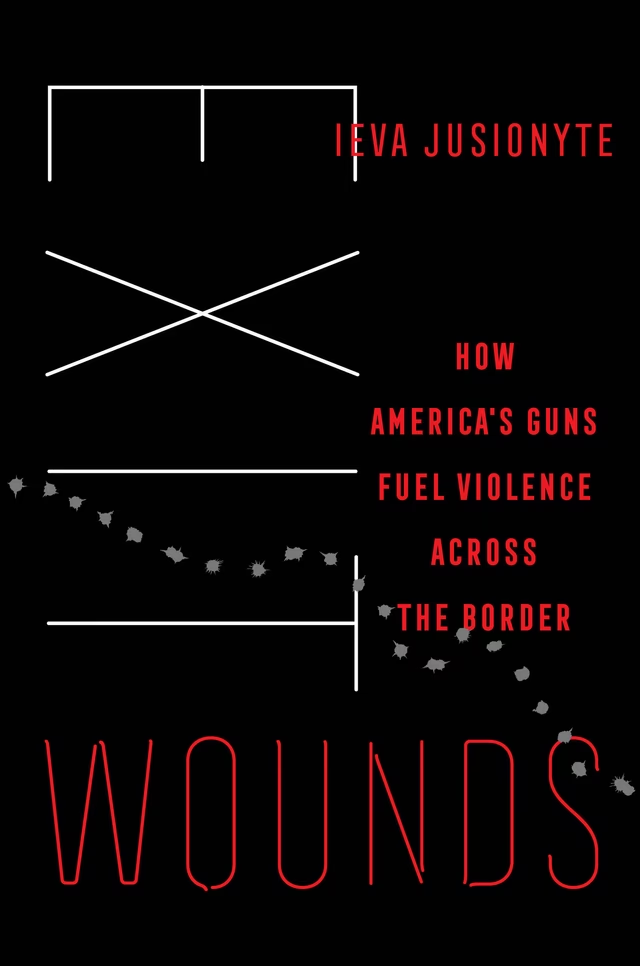
John and Elizabeth had the chance to talk with Ieva Jusionyte, anthropologist, journalist, emergency medical technician. Her award-winning books include Exit Wounds, which uses anthropological and journalistic methods to follow guns purchased in the United States through organized crime scenes in Mexico, and their legal, social and personal repercussions.

In addition to hearing how Ieva researched the topic, balancing structural understandings of how guns become entangled with people on both sides of the border with an emphasis on individual stories, we also talked about how language captures and fails to capture violence, the ways violence and the fear of violence organize space, and the importance of a humble, responsive, and empathetic approach to speaking with people touched by gun violence.

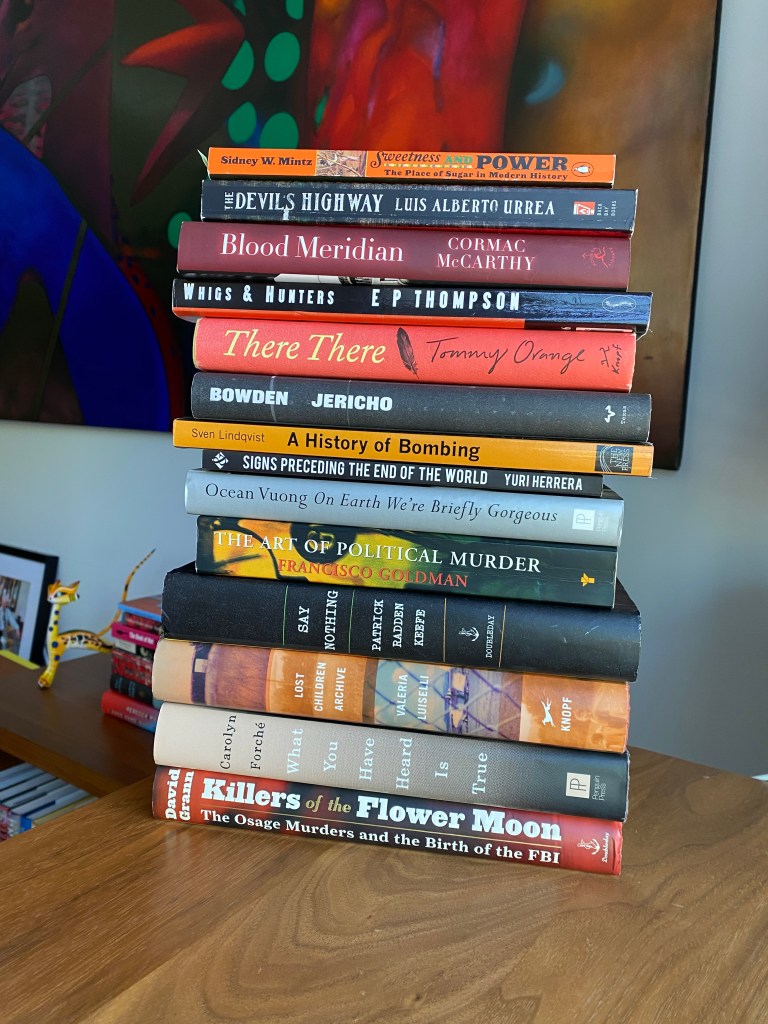
Ieva’s “bookshelf” for Exit Wounds

Mentioned in this episode:

Sidney Mintz, Sweetness and Power (1985)

Allen Feldman, Formations of Violence (1991)

Roberto Bolaño, 2666 (2004)

Yuri Herrera, Signs Preceding the End of the World (2009) tr. by Lisa Dillman, see RTB episode 48 “Transform, not Transfer: Lisa Dillman on Translation

Deborah Thomas, Political Life in the Wake of the Plantation, 2019

Cormac McCarthy Blood Meridian (1985)

Giorgio Agamben Homo Sacer (1998) and the “state of exception”

Thomas Pynchon’s Gravity’s Rainbow (1973)and the “zone”

Nathan Thrall, A Day in the Life of Abed Salama (2023)

Recallable “Books:”

Ieva suggested E.P Thompson, Whigs and Hunters: the Origin of the Black Act (1975) for its thoughtful framing of state violence and its incredible detail, and also Sven Lindqvist, A History of Bombing (2000), for the ways in which the book’s structure enacts its argument.

Elizabeth went with the documentary by Raul Paz Pastrana, Border South (2019), which also weaves together the stories of those affected, including the anthropologist Jason De León, in ways that account for the multidimensionality of human experience.

John picked the contestatory Northern Irish spaces of Anna Burns’ novel Milkman (2018)

Listen and Read Here

140* Octopus World: Other Minds with Peter Godfrey-Smith (EF, JP)

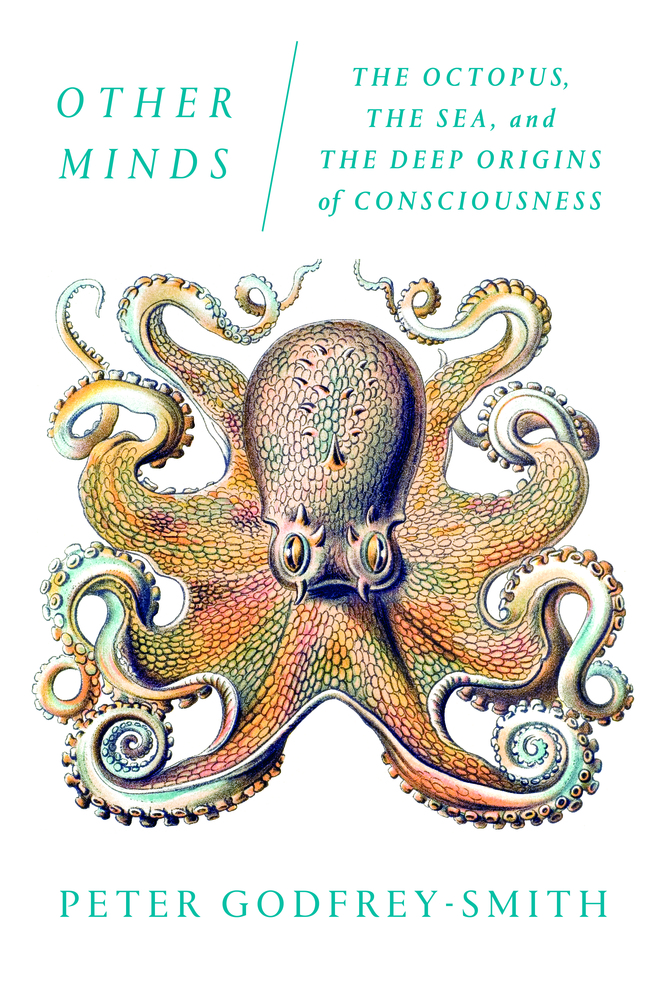
Peter Godfrey-Smith knows his cephalopods. His truly capacious career includes books such as Theory and Reality (2003; 2nd edition in 2020), Darwinian Populations and Natural Selection (2009)  Metazoa and most recently Living on Earth (John raves about that book here.)

Continue reading “140* Octopus World: Other Minds with Peter Godfrey-Smith (EF, JP)”

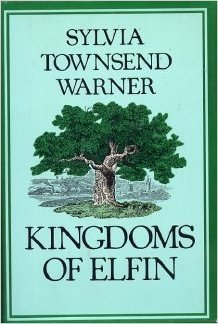
139 Recall This Story: Ivan Kreilkamp on Sylvia Townsend Warner’s “Foxcastle” (JP)

Ivan Kreilkamp, Indiana University English professor and no stranger to Recall This Book, is the author of two books on Victorian literature and one about Jennifer Egan. For this episode of Recall This Story, Ivan reads Sylvia Townsend Warner‘s “Foxcastle. It was first published in The New Yorker in 1975 and became the final story in her final book, Kingdoms of Elfin.

Continue reading “139 Recall This Story: Ivan Kreilkamp on Sylvia Townsend Warner’s “Foxcastle” (JP)”

136* Beth Blum on Self-Help, Dale Carnegie to Today (JP)

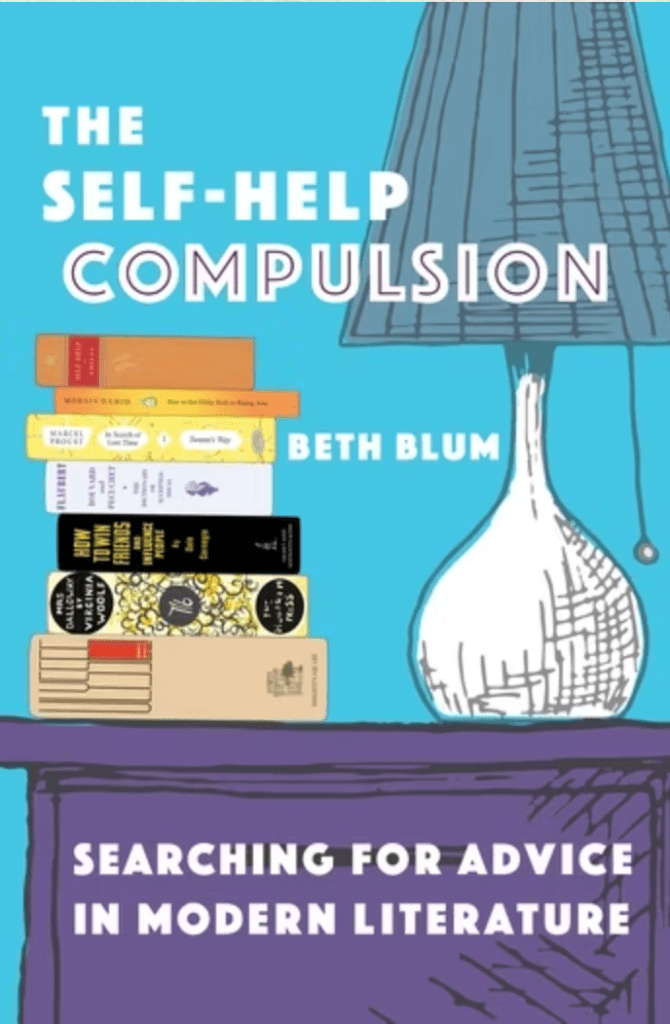
Beth Blum, Associate Professor of English at Harvard, is the author of The Self-Help Compulsion (Columbia University Press 2019).

In 202o, she spoke with John about how how self-help went from its Victorian roots (worship greatness!) to the ingratiating unctuous style prescribed by the other-directed Dale Carnegie (everyone loves the sound of their own name) before arriving at the “neo-stoical” self-help gurus of today, who preach male and female versions of “stop apologizing!” You’ll laugh, you’ll cry, you’ll either help yourself or learn how to stop caring.

Continue reading “136* Beth Blum on Self-Help, Dale Carnegie to Today (JP)”

135.2 Recall This Story: Part 2 of Linda Schlossberg on Alice Munro’s “Miles City, Montana” (JP)

{You will want to start with Part 1 of episode 135; it can be found right here]

Linda Schlossberg, author of Life in Miniature, who teaches at Harvard, joins RTB to read and explore one of her favorite Alice Munro stories, “Miles City, Montana” in our new series, Recall This Story.

Continue reading “135.2 Recall This Story: Part 2 of Linda Schlossberg on Alice Munro’s “Miles City, Montana” (JP)”

135.1 Recall This Story: Part 1 of Linda Schlossberg reading and discussing Alice Munro’s “Miles City, Montana” (JP)

[this is the first half of the story; the second half can be found here]

Linda Schlossberg, author of Life in Miniature, who teaches at Harvard, joins RTB to read and explore one of her favorite Alice Munro stories, “Miles City, Montana” in our new series, Recall This Story.

Continue reading “135.1 Recall This Story: Part 1 of Linda Schlossberg reading and discussing Alice Munro’s “Miles City, Montana” (JP)”